

Heat Pumps for Hydronic Underfloor Heating
An air-to-water heat pump is the most common way to heat the water for hydronic floor heating in Australian homes. Because HOYA Ondol dry-panel floors run on low water temperatures, the heat pump doesn’t have to work hard.
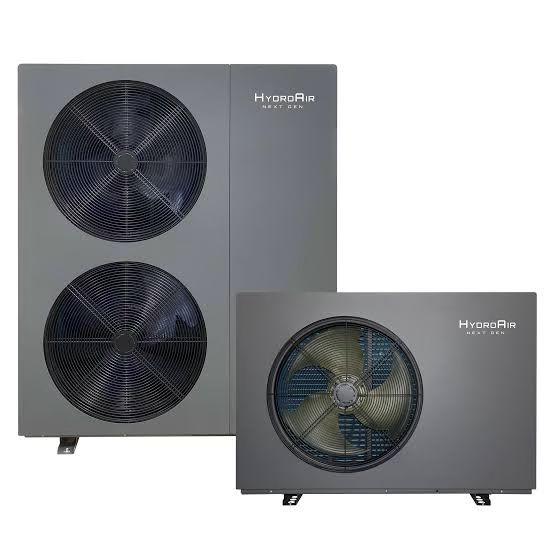
We supply HydroAir and STIEBEL ELTRON heat pumps as part of your HOYA Ondol system, and other brands on request.
Why a heat pump suits floor heating
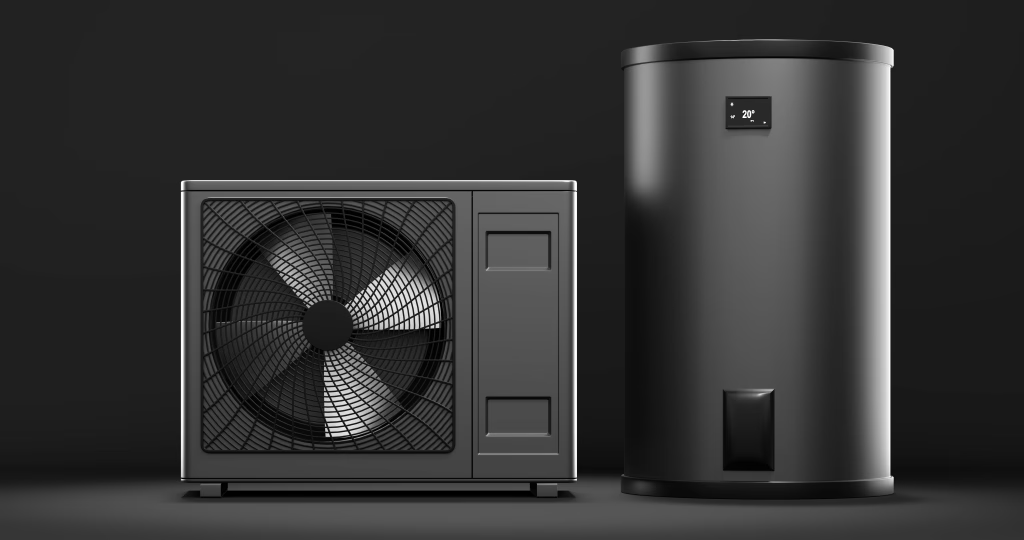
Floor heating needs much cooler water than radiators, and that is where a heat pump works best.
Low water temperatures
Your floor’s design sets the flow temperature. Under engineered timber we design around 35–45 °C, so the floor surface stays at or below 27 °C.
Even warmth across the room
Warm water runs through the whole floor, so heat rises evenly from the largest surface in the room.
Runs on electricity
No gas connection or flue. With rooftop solar, the heat pump can use some of that power during the day.
Heat pumps we supply
Two main ranges cover most homes: HydroAir Next Gen in 9, 15 and 22 kW, and STIEBEL ELTRON WPL-A R290 in about 11, 14 and 20 kW. Your hydronic installer chooses the model and size for your home.
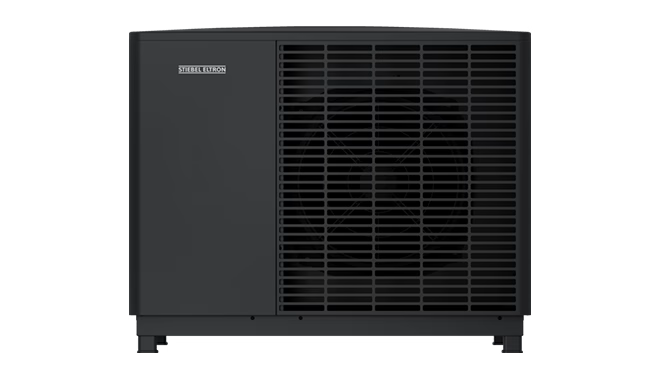
STIEBEL ELTRON WPL-A R290
Inverter heat pumps using natural R290 refrigerant, with a quiet mode.
- SizesAbout 11, 14 and 20 kW
- PowerSingle or three phase
- RefrigerantR290
Other brands on request
We can also supply other heat pumps, including BAXI, Immergas and the STIEBEL ELTRON WPL 25, if your installer prefers one of them.
- Also availableBAXI and Immergas
- Other STIEBEL ELTRONWPL 25
- How to askWhen you send your plans
Specifications
Single-phase and three-phase models side by side. Your installer confirms the model against your home’s heat loss and power supply.
Compare the range
Outputs at 7 °C outside and 35 °C water. Sound is measured differently by each maker, so compare it with care. Figures from the manufacturers’ datasheets.
| Range | Sizes (heating output) | Power supply | Refrigerant | Max water temperature | Outdoor heating range |
|---|---|---|---|---|---|
| HydroAir Next Gen R290 | 9, 15 and 22 kW | Single phase (9); single or three phase (15, 22) | R290 | 75 °C | −25 to 45 °C |
| STIEBEL ELTRON WPL-A R290 | About 11, 14 and 20 kW | Single phase (10.2, 13.2); three phase (13.2, 17.2) | R290 | 75 °C | Down to −25 °C |
HydroAir Next Gen R290
Output ranges are minimum to maximum. Sound pressure is measured 1 m from the unit.
| Model | Heating output A7/W35 | Heating output A7/W55 | Power input A7/W35 | Power supply (max current) | Refrigerant (charge) | Sound pressure at 1 m | L × W × H | Weight |
|---|---|---|---|---|---|---|---|---|
| Next Gen 9 | 2.92–9.10 kW | 2.99–8.16 kW | 0.61–2.11 kW | Single phase (15 A) | R290 (0.55 kg) | 46 dB(A) | 1187 × 438 × 808 mm | 110 kg |
| Next Gen 15 | 4.30–15.20 kW | 4.25–14.55 kW | 0.87–3.73 kW | Single phase (25 A) or three phase (10 A) | R290 (1.05 kg) | 53 dB(A) | 1287 × 458 × 908 mm | 134 kg |
| Next Gen 22 | 7.24–21.90 kW | 6.36–19.45 kW | 1.50–5.88 kW | Single phase (35 A) or three phase (17 A) | R290 (1.4 kg) | 55 dB(A) | 1187 × 508 × 1460 mm | 195 kg |
STIEBEL ELTRON WPL-A R290
HK 230 models run on single phase and HK 400 models on three phase. “Not published” means the figure is not on the datasheet we hold. See the STIEBEL ELTRON WPL-A product page (opens in a new tab).
| Model | Power supply | Heating output A7/W35 (min–max) | COP A7/W35 | SCOP 35 °C | Refrigerant (charge) | Sound power (EN 12102) | H × W × D | Weight |
|---|---|---|---|---|---|---|---|---|
| WPL-A 10.2 Trend HK 230 | Single phase | 2.76–10.97 kW | 5.40 | 4.59 | R290 (1.4 kg) | 46 dB(A) | 960 × 1170 × 727 mm | 150 kg |
| WPL-A 13.2 Trend HK 230 | Single phase | 3.69–13.92 kW | 5.36 | 4.65 | R290 (1.6 kg) | 49 dB(A) | 1144 × 1170 × 727 mm | 176 kg |
| WPL-A 13.2 Trend HK 400 | Three phase | 3.69–13.92 kW | 5.36 | 4.65 | R290 (1.6 kg) | 49 dB(A) | 1144 × 1170 × 727 mm | 176 kg |
| WPL-A 17.2 Trend HK 400 | Three phase | 5.11–19.64 kW | 5.29 | 4.55 | R290 (2.15 kg) | 52 dB(A) | 1365 × 1170 × 727 mm | 209 kg |
How it works with HOYA Ondol
1The heat pump heats water
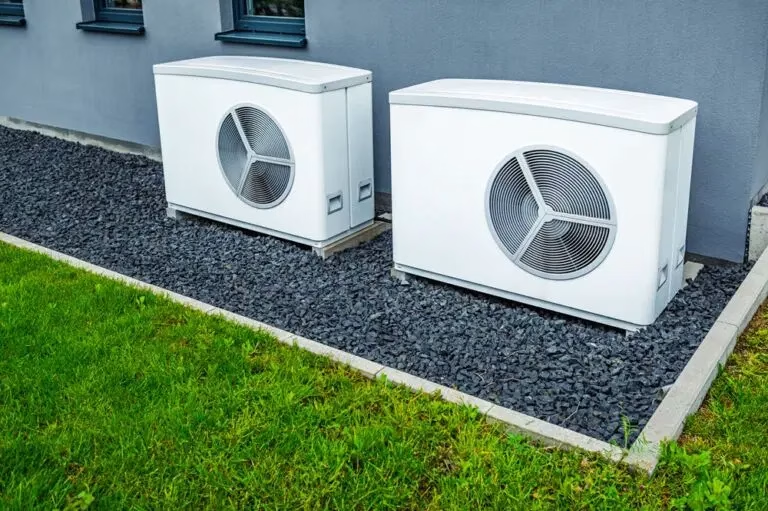
The outdoor unit takes heat from the air and passes it to the heating water.
2The manifold feeds each room
Water flows to a manifold, which feeds a separate pipe circuit for each area. Some systems also use a buffer tank.
3The panels spread the heat
The pipe sits in the 26 mm HOYA Ondol floor heating panels, which spread the warmth across the floor.
4The floor warms the room
Cooled water returns to the heat pump to be reheated.
Choosing the right size
The right heat pump depends on your home, not just its floor area. Your hydronic installer works it out from:
- the heated floor area and ceiling heights;
- insulation, windows and draught sealing;
- your local climate;
- the floor coverings and the design water temperature for each floor;
- your power supply (single or three phase).
We give your installer the panel and pipe layout and the design flow temperature for each floor, so the heat pump, manifold and panels are designed together.
Data sheets, warranties and installation manuals for both heat pump ranges are in our resources and downloads.
Installation and warranty
The panels can be laid by a builder, carpenter or flooring installer, following HOYA Ondol’s installation instructions and the panel and pipe layout designed for your floor, working with your hydronic installer. Manifold, heat pump or boiler connections must be made by a licensed plumber, and electrical work by a licensed electrician. In some states, laying the heating pipe itself is also licensed plumbing work, so check with your installer. Warranty requires licensed connections. This does not limit your rights under the Australian Consumer Law.
Homes heated with HOYA Ondol
Daylesford, Victoria
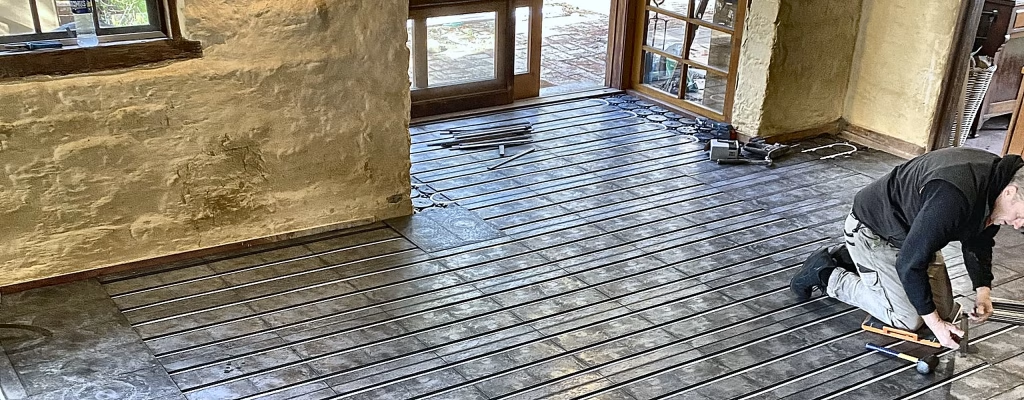
HOYA Ondol panels laid over the existing floor of a stone cottage.
Heat pump questions
Can a heat pump run HOYA Ondol floor heating?
Yes. Air-to-water heat pumps suit HOYA Ondol well because dry-panel floors run on low water temperatures.
Heat pump or electric boiler?
A heat pump moves heat from the outside air, so it uses less electricity for the same heat. An electric boiler turns electricity straight into heat, but it is compact, goes indoors and needs little plumbing. Ask us which suits your home.
What water temperature does floor heating need?
It depends on your floor’s design and covering. Under engineered timber we design around 35–45 °C, so the surface stays at or below 27 °C.
What size heat pump do I need?
Your hydronic installer sizes it from your home’s heat loss. We supply the panel layout and design temperatures they need.
Do I need three-phase power?
Not always. Many models in our range run on single phase, and some larger ones come in three phase. Your electrician can check your supply.
Will a heat pump work in cold areas?
The models in our range with a published outdoor range are rated to heat down to −25 °C. Output falls as it gets colder, and sizing allows for that.
How loud are they?
Each maker publishes a sound level, but they measure it differently. Place the outdoor unit away from bedrooms and boundaries, and check your council’s rules.
Get a heat pump recommendation
Send us your plans and we’ll prepare a panel layout and help you and your installer choose a heat pump or boiler.