Owner care

Looking after a timber floor over floor heating

Every timber floor moves a little with the seasons, heated or not. Three habits keep a timber floor over HOYA Ondol comfortable and within its warranty: keep the surface at or below 27 °C, change the temperature gradually, and keep indoor humidity between 35% and 65%.

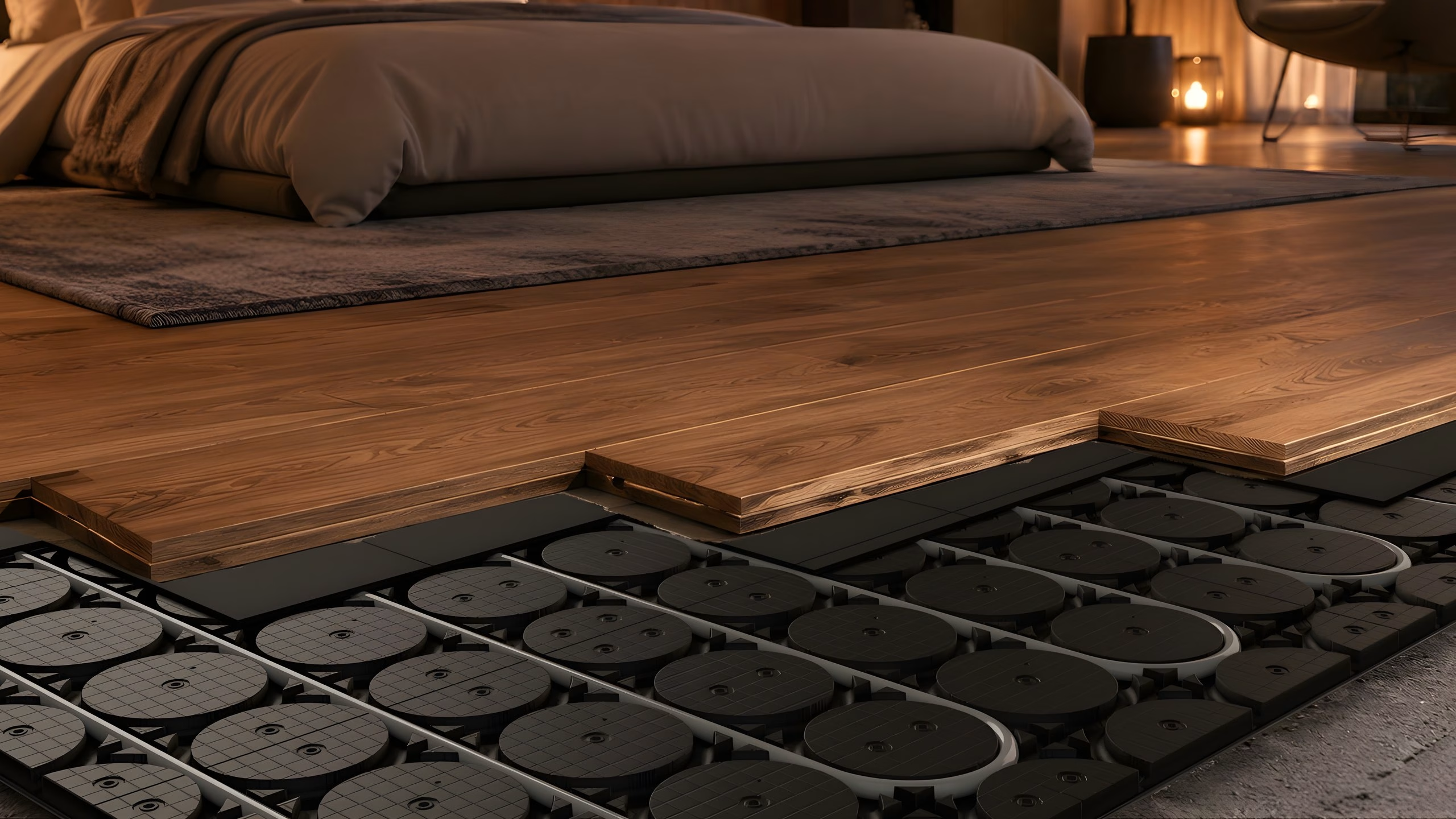
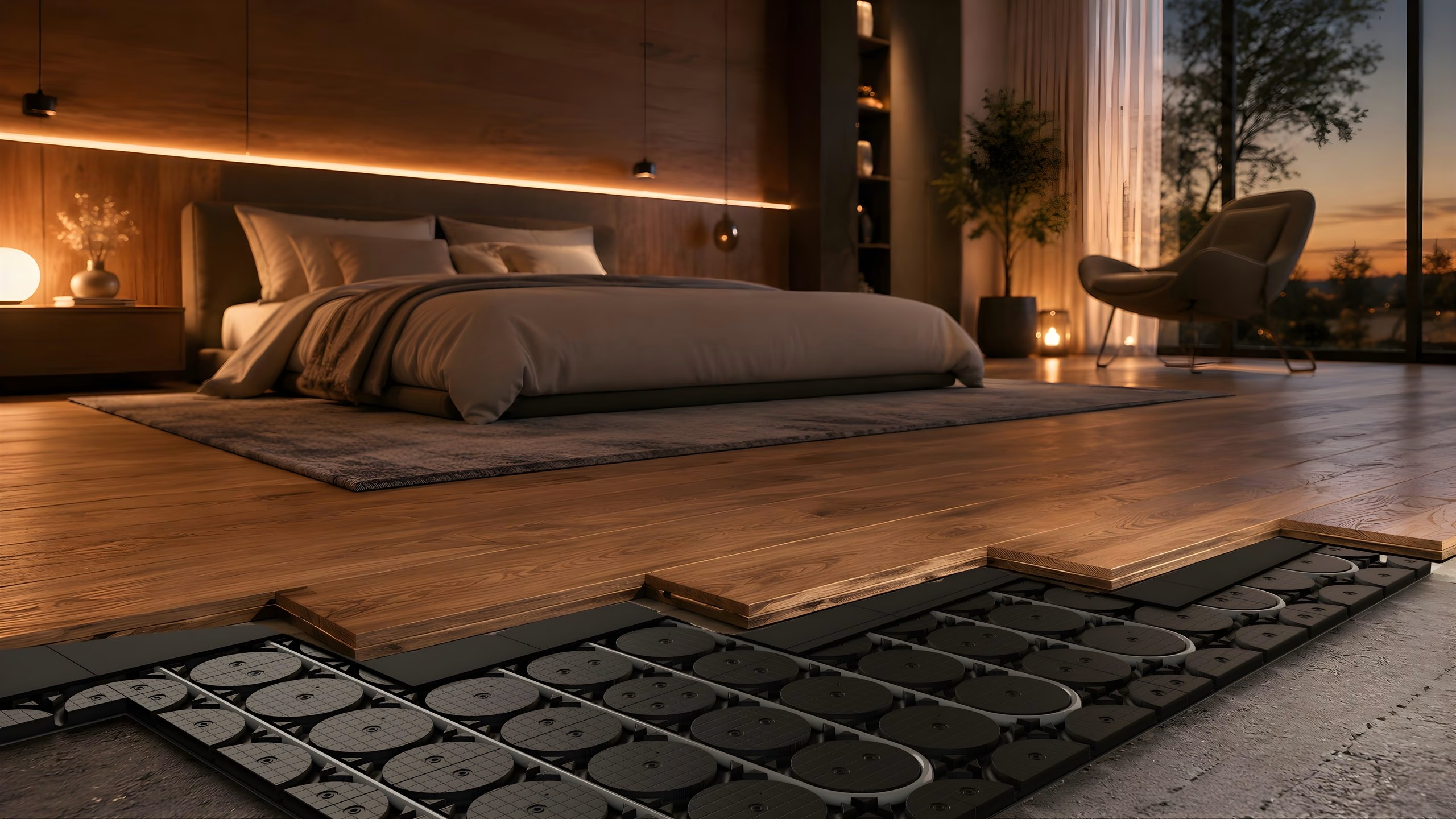
Engineered timber boards laid over HOYA Ondol panels with the heating pipe in the channels

The warranty conditions

Three things the timber warranty asks of you

These come from our timber supplier’s warranty conditions. Once the floor is handed over, they are the owner’s part.

27 °C

Keep the surface at or below 27 °C

Your installer sets the controls so the timber surface stays at or below 27 °C. Leave those limit settings as they are, and call your installer if the floor ever feels hot rather than warm.

Gradual

Change the temperature gradually

Raise or lower the heating in small steps rather than all at once, especially at the start and end of the heating season and when the heating has been off for a while.

35–65%

Keep humidity between 35% and 65%

Floor heating dries the air in winter. A hygrometer shows the indoor humidity, and a humidifier can bring it back up if it drops below 35%.

The boards are covered by the timber supplier’s warranty, on its conditions. The panels are covered by HOYA Ondol Australia. See timber floors over floor heating.

Through the year

How the floor changes with the seasons

Timber takes up moisture from the air and gives it back. The aim is to keep the changes slow and small.

Start of the heating season

Bring the heating up in small steps rather than straight to full, and start checking the humidity as the air dries.

Through winter

Keep the settings steady and the humidity at 35% or above. Small gaps can open between boards in dry weather.

End of the heating season

Turn the heating down in steps rather than off all at once, so the boards adjust slowly.

Summer and humid weather

Keep the humidity at or below 65%. Air conditioning or a dehumidifier helps in humid weather.

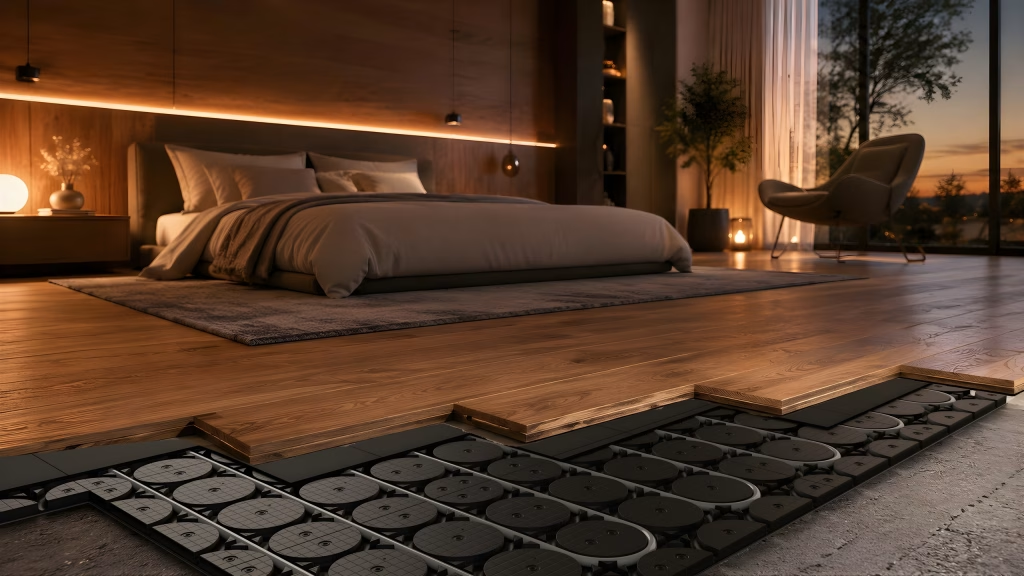
Bedroom with the timber floor cut away to show HOYA Ondol panels underneath

Rugs and furniture

Rugs, beds and furniture

Thick rugs, mattresses, beanbags and furniture that sits flat on the floor trap heat in the timber beneath them. Our timber supplier lists this as a cause of overheating.

  • Choose thin rugs for heated rooms.
  • Choose furniture on legs, so air can move underneath.
  • When you send your plans, tell us where beds and built-in furniture will go, so the layout can allow for them.

Everyday care

Cleaning a timber floor

Grit scratches the finish and water can swell the boards, so most everyday care is about keeping both off the floor.

Sweep or vacuum often

Use a soft broom, or a vacuum on its hard-floor setting. A spinning brush bar can scratch the finish.

Mop barely damp, never wet

Wring a microfibre mop out until it is only just damp. Don’t pour water on the floor or use a steam mop.

Use a timber floor cleaner

Choose a cleaner made for prefinished timber floors. General household cleaners can dull or damage the finish.

Protect the surface

Put felt pads under furniture legs and a mat at each outside door, and wipe up spills straight away.

Your timber supplier’s care instructions for your boards come first. Where they ask for more, they apply.

Living with timber

Is this normal?

Some movement is normal for any timber floor. Victoria’s Guide to Standards and Tolerances 2026 (Building and Plumbing Commission) leaves gaps caused by heating, cooling or sunlight out of its gap tolerances for solid timber (clause 15.3), and treats some movement noise as normal for floating floors (clause 15.9).

Small gaps have opened between the boards in winter

Timber shrinks as the air dries, and heating dries the air further. Check the humidity first: if it is below 35%, bring it back up gradually. Small, even gaps usually close again in humid weather.

A floating floor moves slightly over the surface below, and some noise is normal. If a sound is new or getting worse, ask your flooring installer to check it.

Turn the heating down and ask your installer to check the settings. A rug or furniture sitting flat on the floor can also hold heat in one area.

This is usually a sign of moisture. Turn the heating down, check the humidity, and contact your installer straight away so they can check for leaks. Tell your timber supplier too.

Records and contacts

Keep your records, and know who to call

Your records

Your handover information records how the heating was commissioned and the settings your installer used. Keep it with your warranty papers, and register your HOYA Ondol warranty.

Who to call

For the heating and controls, call your hydronic installer or us on 1300 137 407. For the boards, call your flooring installer and your timber supplier, who looks after the timber warranty.

Keep reading

More about timber floors over floor heating

Bedroom with the timber floor cut away to show HOYA Ondol panels underneath

Timber floors

Timber floors over floor heating

Engineered oak floated over the panels, within its warranty limits.

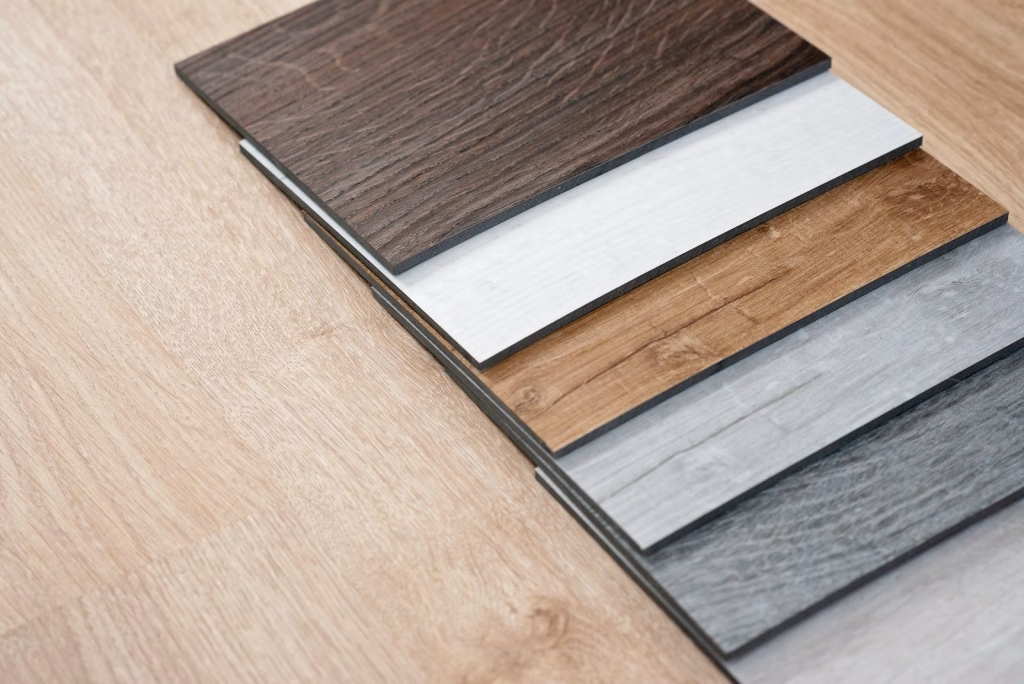
Floor covering samples in timber-look and grey finishes, fanned out on a timber floor

Floor coverings

Which floor covering suits floor heating?

Timber, hybrid, laminate, tiles or carpet: what goes over the panels.

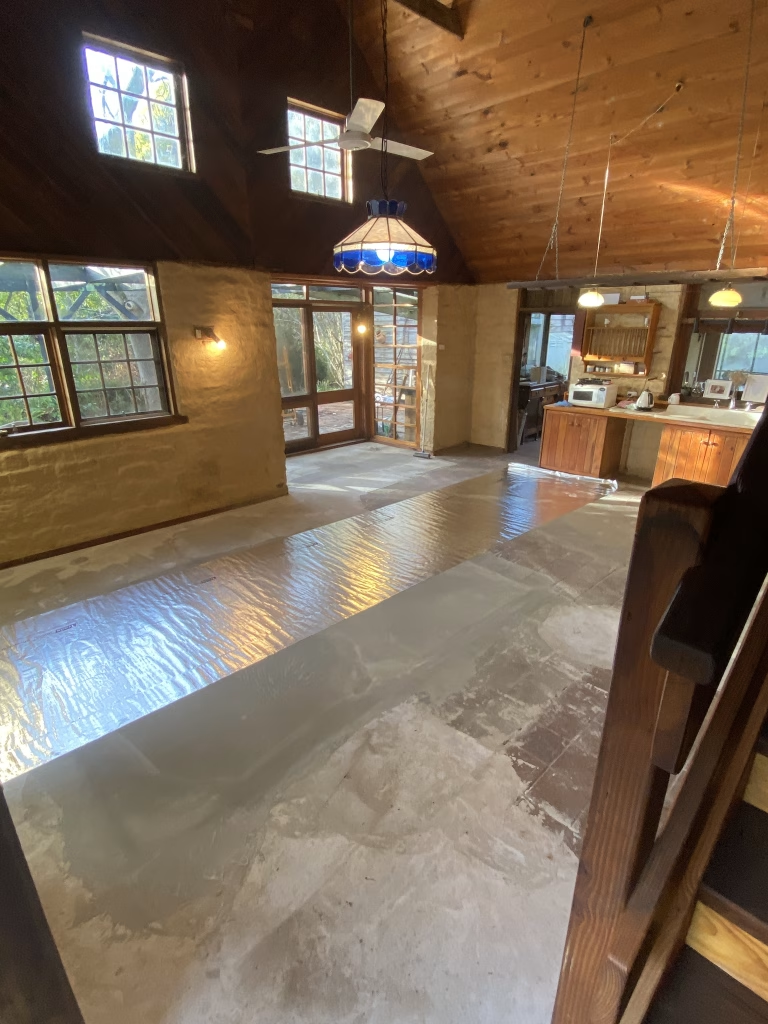
Living area of a stone cottage in Daylesford, Victoria, with reflective foil being rolled out over the existing concrete floor before the HOYA Ondol panels go down

Renovations

Adding floor heating to an existing home

Panels over the slab or tiles you already have.

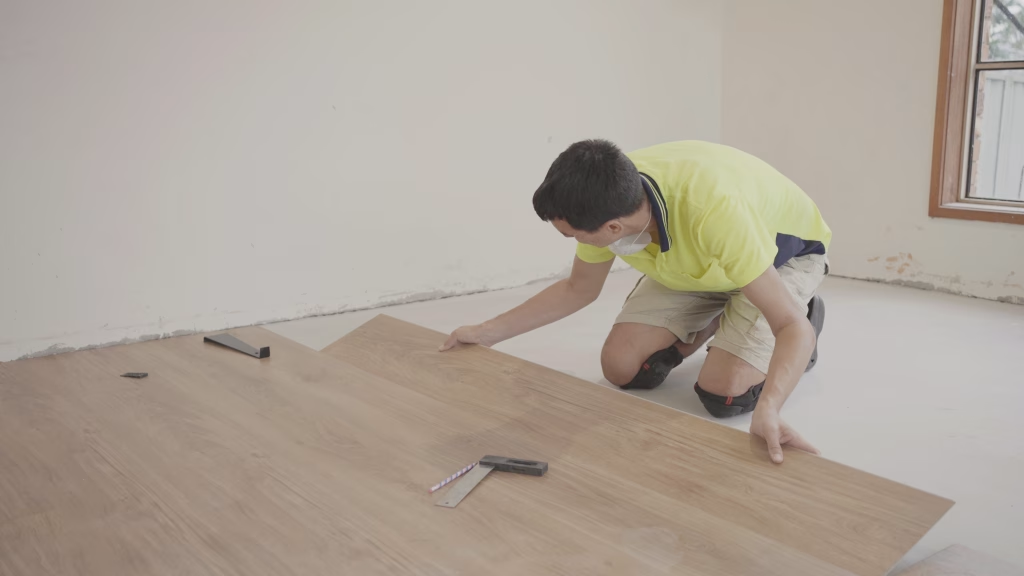
Flooring installer in a hi-vis shirt and knee pads laying a wide timber-look plank across a bare floor

For flooring installers

Laying timber over HOYA Ondol panels

Checks, the heating sequence and what to hand over.

Installation and warranty

The panels can be laid by a builder, carpenter or flooring installer, following HOYA Ondol’s installation instructions and the panel and pipe layout designed for your floor, working with your hydronic installer. Manifold, heat pump or boiler connections must be made by a licensed plumber, and electrical work by a licensed electrician. In some states, laying the heating pipe itself is also licensed plumbing work, so check with your installer. Warranty requires licensed connections. This does not limit your rights under the Australian Consumer Law.

Questions about your timber floor?

Call us or send a message, and we’ll help you work out whether it’s the heating, the settings or the room.