For flooring installers

Laying engineered timber over HOYA Ondol panels

What has to be done before you start, how the boards go down, and what to hand over. Follow the timber supplier’s own installation instructions as well. Where they ask for more, they apply.

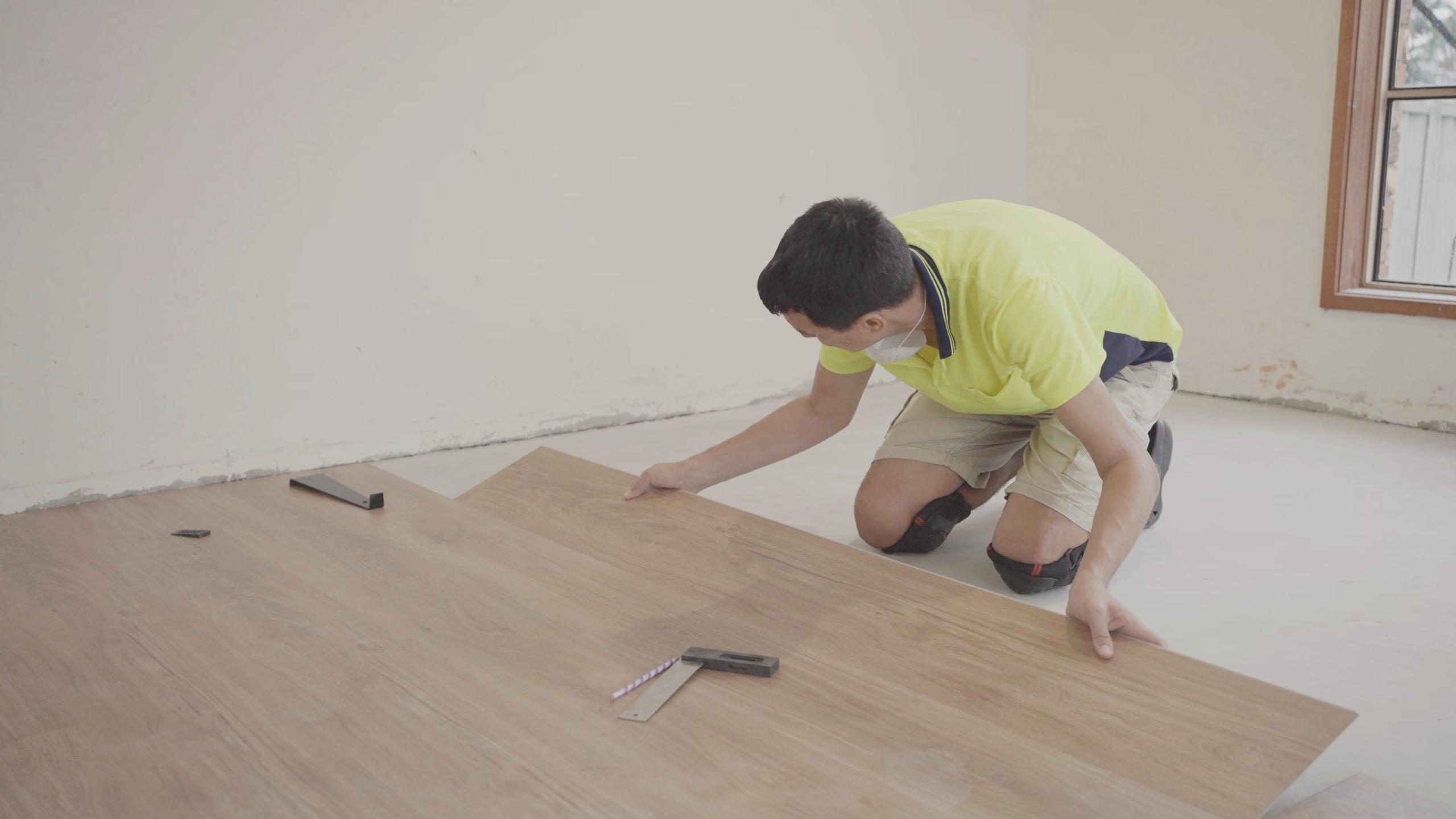
Flooring installer in a hi-vis shirt and knee pads laying a wide timber-look plank across a bare floor

Method

Floating only, never glued to the panels

Boards

Engineered oak, 14–15 mm

Joints

Click (drop-lock), D3 PVA in the joints

Underlay

2 mm high-density foam, acoustic grade

Surface limit

27 °C at the timber surface

Site checks

Before you start

Done before you arrive

  • The panels and covers are all in place, flat and undamaged
  • The plumber has pressure-tested the pipe and recorded the result
  • The heating has been commissioned: brought up gradually, run, then brought down again
  • The heating is off, or on a low setting, for the laying

Check the floor and boards

  • The boards are engineered oak approved for floor heating, not eucalyptus-faced
  • The panels add no moisture, with no slab or screed to pour or dry. If the timber supplier’s warranty asks for a moisture reading, it’s of the existing slab or subfloor under the panels, and you have it.
  • The underlay is 2 mm high-density foam, acoustic grade: not thicker foam, rubber or a dimpled sheet
  • The boards have sat in the room, still boxed, for at least 48 hours, or longer if the timber supplier asks

Over the panels

Over the panels: do and don’t

The boards are locked and glued to each other at the click joints, never to the floor. Pipe runs through every panel, so nothing is glued, nailed or screwed into the panels.

Do

Don’t

Heating sequence

The heating sequence around laying

Before laying

The heating is commissioned to the heating maker’s instructions: raised gradually, run long enough to bring the floor to its normal operating condition, then lowered gradually.

While laying

The heating stays off, or reduced, while the boards go down. Let the joint adhesive cure fully before it restarts.

After laying

The heating restarts on a low setting and is raised gradually, with no sudden changes, keeping the timber surface at or below 27 °C.

Record the dates and settings for each stage, and give them to the owner with the handover information.

Timber warranty

The five conditions behind the timber warranty

Our timber supplier’s warranty covers its approved boards floated over HOYA Ondol panels when the floor meets five conditions. This is how each one is met, and where you come in.

Heat spread evenly

How it’s met: Designed into the panel and pipe layout.

Your part: Don’t cut, drill or alter the panels.

Surface never above 27 °C

How it’s met: Set by the hydronic installer’s controls.

Your part: Tell the installer if any area feels hot once the heating is back on.

Pipe never touches the timber or adhesive

How it’s met: The pipe sits under the covers.

Your part: No glue on the panels, and nothing driven into them.

Gradual heat-up and cool-down

How it’s met: Commissioning before and after laying.

Your part: Lay with the heating off or low, and don’t restart it until the joint adhesive has cured.

Humidity kept in range

How it’s met: The owner’s part after handover: 35–65% all year.

Your part: Pass on the care information.

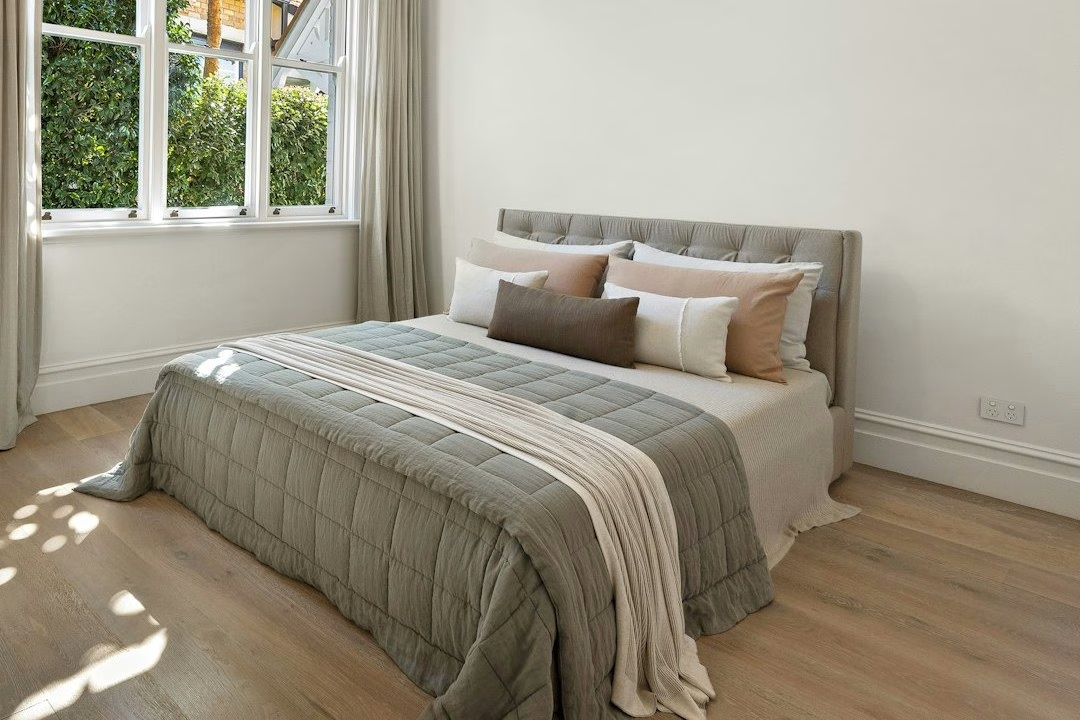
Bedroom with a timber floor and a made bed beside a sash window

Handover

At handover

Give the owner everything they need to keep the floor within its warranty.

  • The commissioning record: dates and settings for each stage
  • The timber supplier’s care and warranty information
  • Our guide to looking after a timber floor over floor heating

Questions

Questions from flooring installers

Something on site doesn’t match the layout plan? Call us on 1300 137 407 before you lay.

Can I direct-stick the boards?

Not over HOYA Ondol. The boards float over the panels, and adhesive goes only in the click joints.

2 mm high-density foam, acoustic grade. Thicker foam, rubber and dimpled underlays hold back the heat, so don’t use them over the panels.

Don’t lay over them. Call us or the panel installer first. The floor under the panels must be within 3 mm over 1 m.

Ask us before you start. Pipe runs through the panels, so nothing can be screwed or nailed into them.

Solid timber needs HOYA Ondol Australia’s written approval before it is ordered. For other engineered boards, send us that supplier’s floor heating conditions first.

Call us on 1300 137 407. Have the job address and the layout plan handy.

Keep reading

More about timber floors over floor heating

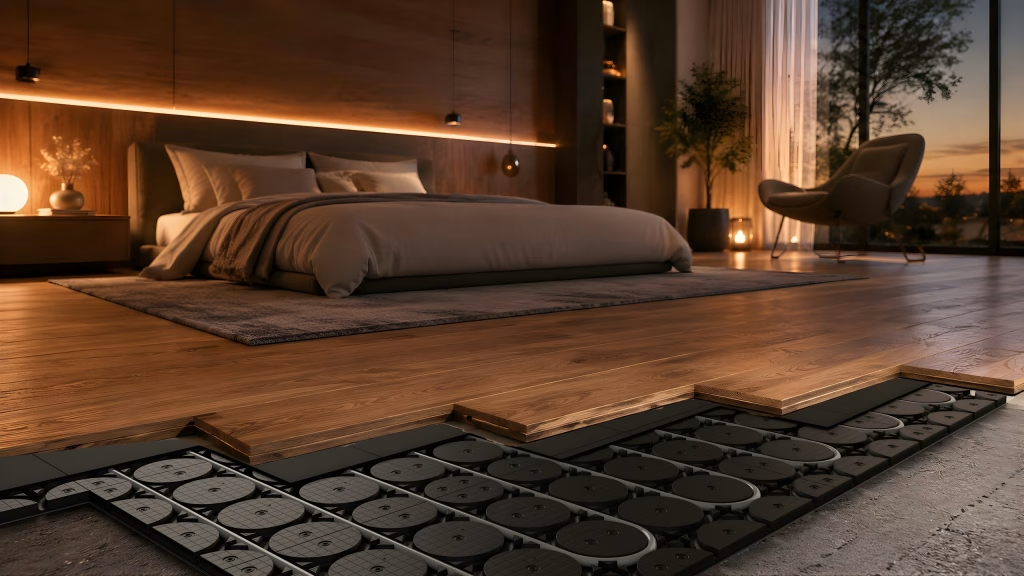
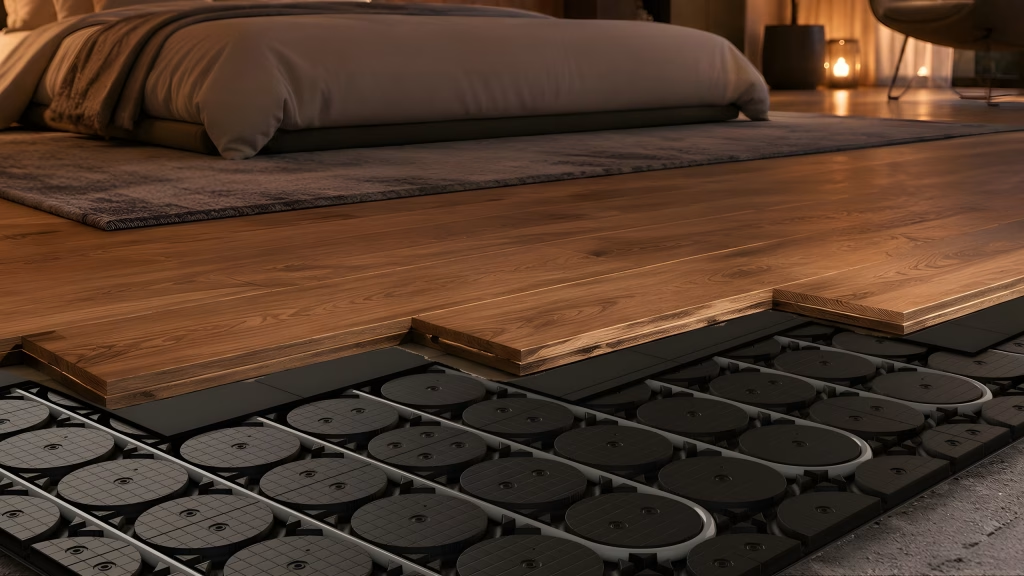
Bedroom with the timber floor cut away to show HOYA Ondol panels underneath

Timber floors

Timber floors over floor heating

Engineered oak floated over the panels, within its warranty limits.

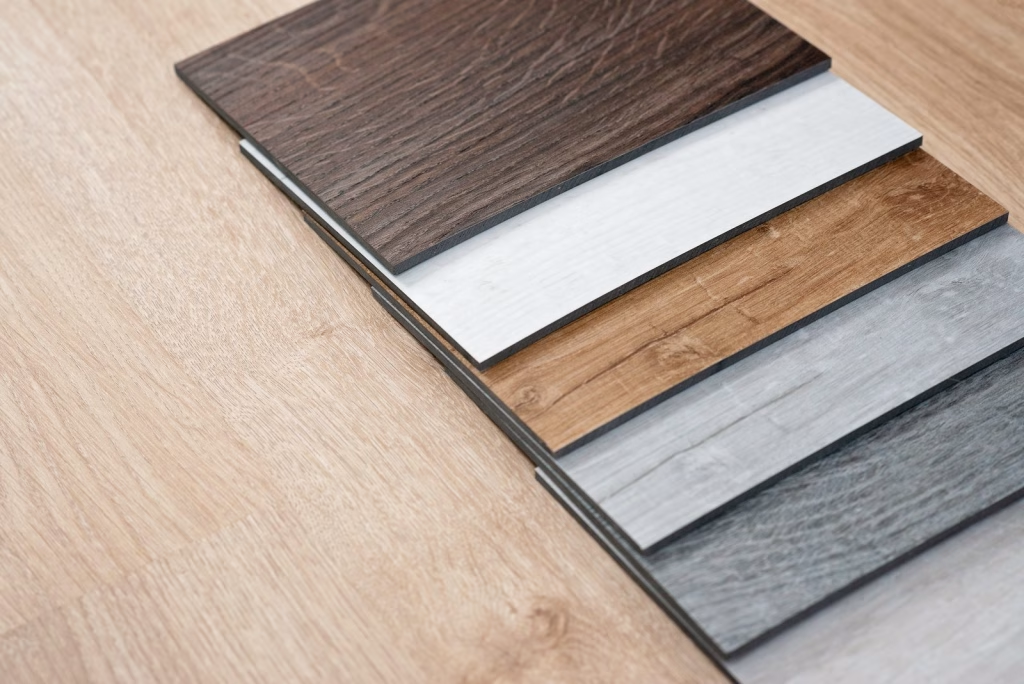
Floor covering samples in timber-look and grey finishes, fanned out on a timber floor

Floor coverings

Which floor covering suits floor heating?

Timber, hybrid, laminate, tiles or carpet: what goes over the panels.

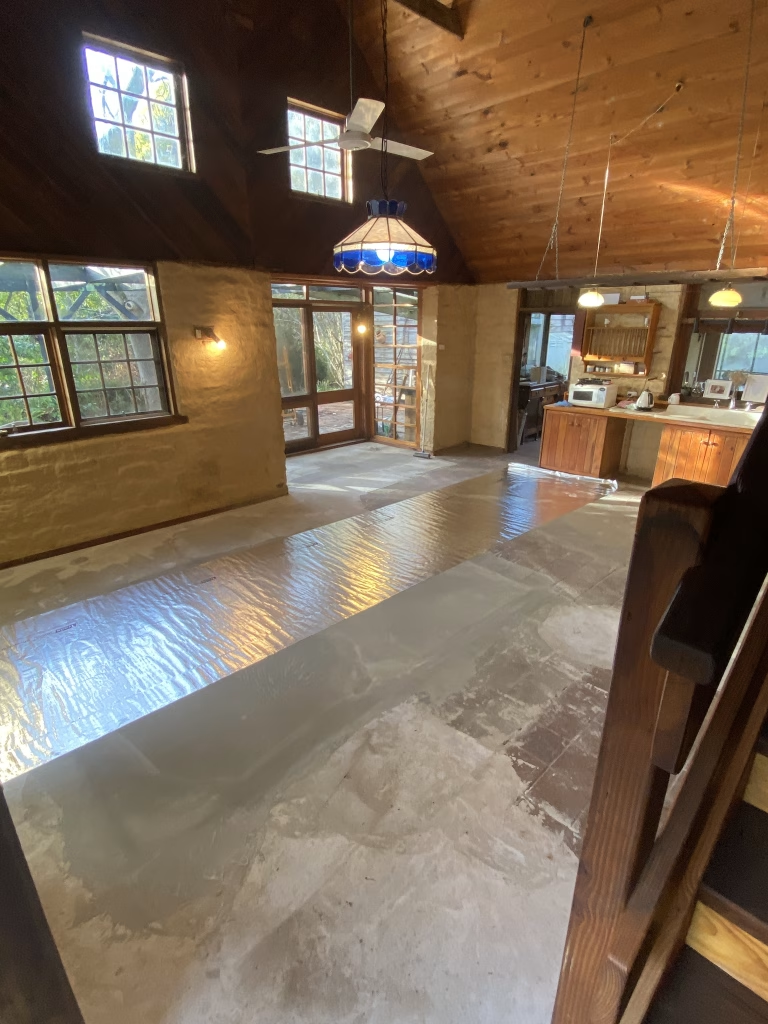
Living area of a stone cottage in Daylesford, Victoria, with reflective foil being rolled out over the existing concrete floor before the HOYA Ondol panels go down

Renovations

Adding floor heating to an existing home

Panels over the slab or tiles you already have.

Engineered timber boards laid over HOYA Ondol panels with the heating pipe in the channels

Owner care

Looking after a timber floor

Floor temperature, humidity, rugs and the seasons.

Installation and warranty

The panels can be laid by a builder, carpenter or flooring installer, following HOYA Ondol’s installation instructions and the panel and pipe layout designed for your floor, working with your hydronic installer. Manifold, heat pump or boiler connections must be made by a licensed plumber, and electrical work by a licensed electrician. In some states, laying the heating pipe itself is also licensed plumbing work, so check with your installer. Warranty requires licensed connections. This does not limit your rights under the Australian Consumer Law.

Laying timber on a HOYA Ondol job?

Call us before you start if anything on site doesn’t match this guide or the layout plan.