

A radiator on the wall
A wall radiator heats from one spot. Much of its heat warms the air next to it, which rises to the ceiling, so the room is warmest up high and coolest at your feet.
Electric radiators are simple to buy and install. Per kWh of heat, they cost more to run than a heat pump or gas. Here is how they compare with hydronic floor heating, so you can decide with the running costs in front of you.
Hydronic heating moves heat with water. A heat pump or boiler warms the water, a pump circulates it through pipes, and the heat comes out through radiators or the floor.
An oil-filled electric radiator is different. It is a sealed electric heater: an element warms oil inside the panel, and nothing circulates beyond it. It can look like a hydronic radiator, but it works like any other electric heater. Every unit of heat comes straight from the power point.
An electric radiator turns 1 kWh of electricity into 1 kWh of heat. An air-to-water heat pump moves heat from the outside air into the water, giving about 3.5 kWh of heat for each kWh it uses. The HydroAir Next Gen heat pump we supply is rated at a COP of 3.55.
For a home that needs 5,000 kWh of heat over a winter, at 40.7 c/kWh:
| Heating | Cost per kWh of heat | Winter heating cost |
|---|---|---|
| Electric radiators or panel heaters | 40.7 c | About $2,035 |
| Hydronic floor heating with a gas boiler (4 c/MJ) | About 16 c | About $800, plus gas supply charges |
| Hydronic floor heating with a heat pump | About 11.6 c | About $580 |
In this example, that is about $1,450 a winter between radiators and a heat pump, for the same heat. Prices are examples; put in your own below.
These figures are an example only. They assume 5,000 kWh of heat over a winter, electricity at 40.7 c/kWh, gas at 4 c/MJ in a boiler about 90% efficient, and a heat pump averaging a COP of about 3.5 across the winter (its rating is higher than real winter performance). Your costs depend on your tariff, climate, insulation and how you use the heating.
An example only. It assumes a gas boiler about 90% efficient and leaves out gas supply charges and daily electricity charges. Your costs depend on your tariff, climate, insulation and how you use the heating. Your quote uses your plans.
A wall radiator heats from one spot. Much of its heat warms the air next to it, which rises to the ceiling, so the room is warmest up high and coolest at your feet.
A heated floor warms the whole room from below. The surface you stand on is the warmest in the room, the temperature is even from floor to head height, and there is nothing on the walls.
Not with a dry-panel floor. HOYA Ondol panels are 26 mm thick and go over your existing slab or subfloor; the pipe runs inside the floor itself.
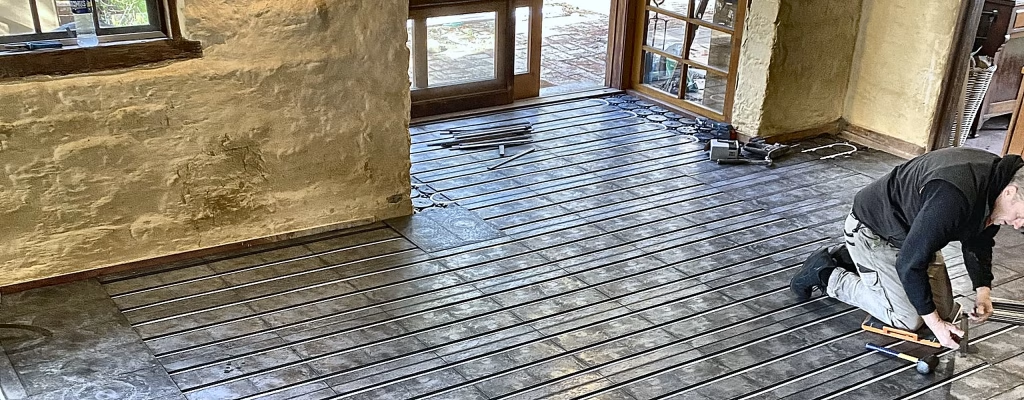
We are not against radiators. For a single small room, a holiday home used a few weekends a year, or a rental you can’t change, a plug-in radiator is a sensible, low-cost choice. For heating most of a home through a long winter, the running costs add up fast.
| Electric radiators | HOYA Ondol hydronic floor | |
|---|---|---|
| Heat per kWh of electricity | 1 kWh | About 3.5 kWh with a heat pump |
| Winter cost (example above) | About $2,035 | About $580 |
| Where the heat comes from | One wall per radiator | The whole floor |
| Wall space | One radiator per room | None used |
| Upfront cost | Low | Higher |
| Installation | Plug in or hardwire | Panels over the existing floor, plus heat pump and manifold |
No. Hydronic heating circulates heated water through pipes from a heat pump or boiler. An oil-filled radiator is a self-contained electric heater.
No. They are cheap to buy, but every kWh of heat costs a full kWh of electricity. In our example above, that is about three and a half times the running cost of a heat pump.
Yes. Heat the living areas first, with the manifold and heat pump sized for the rooms you add later.
The panels can be laid by a builder, carpenter or flooring installer, following HOYA Ondol’s installation instructions and the panel and pipe layout designed for your floor, working with your hydronic installer. Manifold, heat pump or boiler connections must be made by a licensed plumber, and electrical work by a licensed electrician. In some states, laying the heating pipe itself is also licensed plumbing work, so check with your installer. Warranty requires licensed connections. This does not limit your rights under the Australian Consumer Law.
Send your plans and we’ll design the panel and pipe layout and quote the full system, including the heat pump.